MT40A512M16TB-062E:J: 8Gb DDR4-3200 SDRAM for embedded OEM and EMS memory procurement
MT40A512M16TB-062E:J: 8Gb DDR4-3200 SDRAM memory procurement suitable for embedded OEM and EMS applications
(Title: 62 characters | Main keywords:MT40A512M16TB-062E:J; Long-tail keywords: Industrial-grade 8Gb DDR4 with 96 solder balls in FBGA, high-density DRAM with BOM compatibility, Micron DDR4-3200 component procurement)
Quick Answer
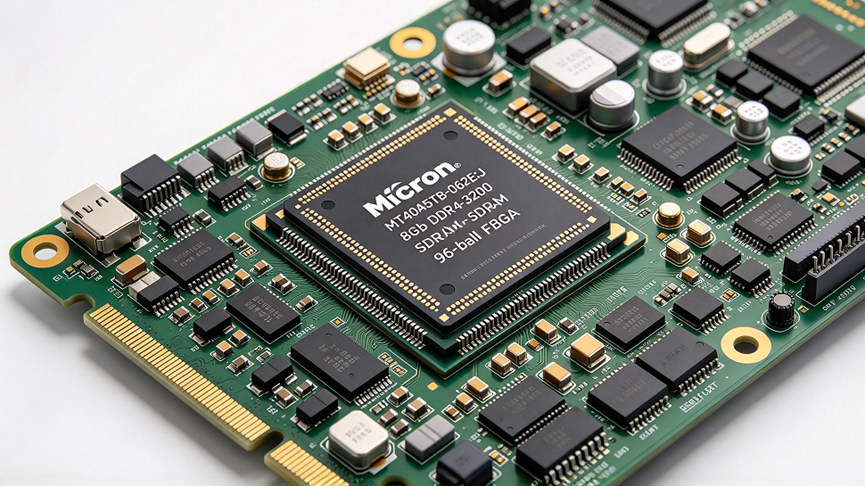
ApplicationsMT40A512M16TB-062E:JWhen your frozen bill of materials requires an 8Gb (512M×16) DDR4 SDRAM, packaged in a 96-ball FBGA (9×13.5×1.0 mm), with a rated operating frequency of DDR4-3200 and a low-power VDD/VDDQ design ranging from 0.5V to 1.1V, be sure to verify the batch status, date code, and lifecycle condition before placing bulk orders.
Introduction
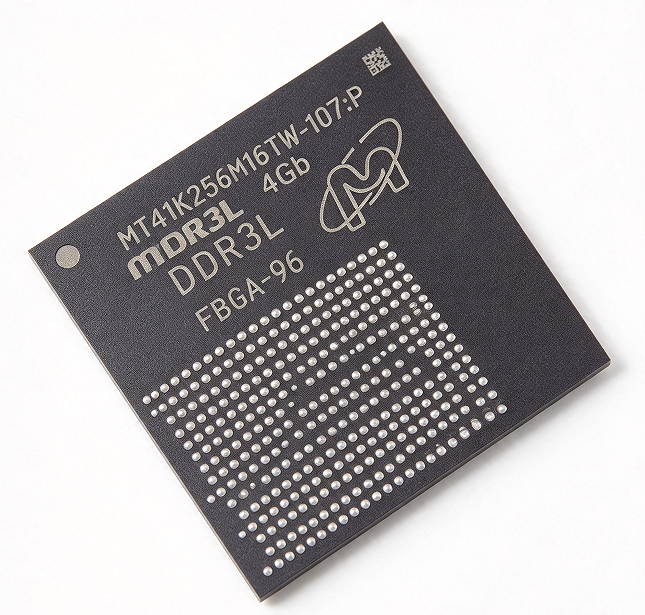
MT40A512M16TB-062E:J is a 8Gb DDR4 SDRAM from Micron, featuring a 512M×16 organization. It is designed for embedded computing, industrial controllers, and network devices that require high-bandwidth volatile memory. This device strikes a balance between density, speed, and power consumption, making it suitable for platforms with locked bill-of-materials. For electronic component procurement managers and OEM/EMS buyers, its core value lies in its electrical characteristics, which have already been validated in existing qualified designs, making it particularly ideal for sustaining production rather than being selected for entirely new projects. This product is a volatile solder-pad mounted DRAM and does not retain any data after power loss.
Product Overview and Positioning
First, let's present the key conclusion.: MT40A512M16TB-062E:J is a commercial-grade DDR4 SDRAM, primarily designed to meet the ongoing supply needs of validated embedded products. When selecting non‑original memory to ensure pin compatibility with replacement parts, there may be risks related to signal integrity, timing, and firmware validation.
This 96-ball FBGA device supports data transfer rates up to DDR4‑3200 (clock frequency of 1600 MHz) and offers on‑chip ECC along with standard DDR4 low‑power features such as self‑refresh, temperature‑compensated refresh, and bank‑group architecture. It is a volatile DRAM component: data is lost upon power loss, so it must be used in conjunction with NAND/NOR flash memory to store firmware.
Although other 8Gb DDR4 products are available on the market, having the same density or speed rating does not guarantee identical solder ball layouts, timing parameters, power-up sequences, or thermal performance. Before approving any direct replacement solution, engineering teams must conduct comprehensive signal integrity testing and firmware validation.
Core Advantages of OEM/EMS Projects
1. High-Bandwidth DDR4-3200 Performance
First, let's state the key conclusion:: Peak data rates up to DDR4-3200 (3200 MT/s), delivering high throughput for multithreaded embedded workloads and graphics-intensive applications. Actual bandwidth depends on the host memory controller, PCB routing, and firmware timing; the published figures represent laboratory benchmarks, not guaranteed system throughput.
2. 8Gb capacity, 16-bit bus width
Key Conclusion First: The 512M×16 organization integrates 8Gb into a single device, effectively reducing memory footprint on space-constrained circuit boards. Before finalizing the bill of materials, please confirm that the host memory controller supports 16-bit DDR4 channel mapping.
3. Compact 96-ball FBGA package
Core conclusions first: The ultra-thin 96-ball FBGA package measuring 9×13.5×1.0 mm is suitable for high-density embedded motherboards with strict height constraints. When evaluating any alternative components, be sure to verify the ball grid array layout, thickness, and reflow process parameters.
4. Low-power DDR4 design
Core conclusions first: Standard DDR4 low-power modes, including self-refresh and temperature-compensated refresh, can reduce idle power consumption in battery-powered and thermally constrained platforms. However, these modes still require support from host firmware and power management drivers.
Technical specifications and procurement insights
Table
| Parameters | Published value | Procurement implications |
|---|---|---|
| Manufacturer | Micron Technology | Please verify the complete suffix, markings, and traceability documents; do not rely solely on the list title. |
| Density/Structure | 8Gb, 512M×16 | The host must map a 16-bit DDR4 channel to utilize the full capacity. |
| Interface | DDR4 (SDRAM) | The controller must support DDR4; please check the power-up timing sequence. |
| Data Rate | DDR4-3200 (1600 MHz) | This is the laboratory's maximum value; actual bandwidth depends on PCB signal integrity and controller settings. |
| Package | 96-ball FBGA | Please verify the ball grid array arrangement, pad layout, and reflow soldering profile. |
| Dimensions | Maximum 9.0 × 13.5 × 1.0 mm | Confirm the package height clearance. |
| Voltage | VDD/VDDQ 1.1–1.2 V | Must match the circuit board power rails and timing design. |
| Temperature | Commercial grade | Not officially certified and does not meet AEC-Q100 automotive-grade standards. |
Note: This table is used for bill of materials screening and quotation preparation. The final release must refer to Micron's official datasheet.
Applicable Application Scenarios
Industrial Controllers and Human-Machine Interfaces
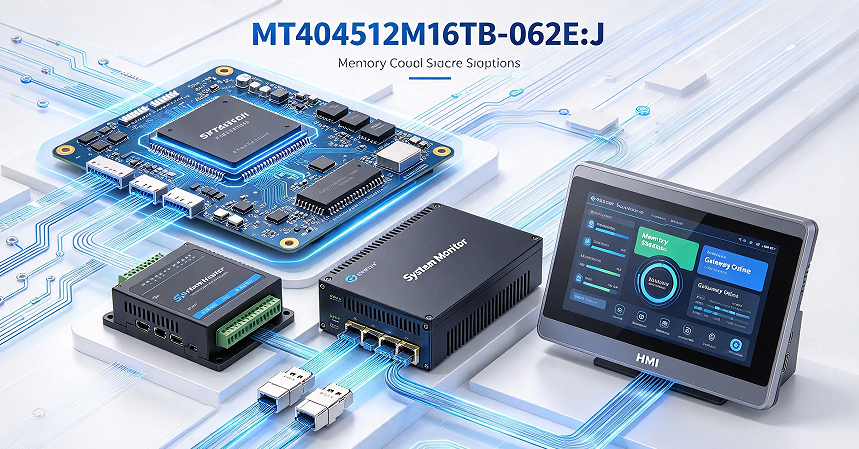
Boot real-time operating systems, store runtime buffers and GUI frame data. Before mass production, verify power sequencing, thermal management range, and memory tuning.
Network Gateways and Edge Devices
Process packet handling and application runtime based on Linux workloads. For long-term unattended hardware deployments, prioritize ensuring batch traceability.
Mature Commercial Instruments
Maintain the existing validated bill of materials to avoid costly re-certification cycles. New designs should evaluate current-generation DDR4/DDR5 solutions.
Procurement Pain Points and Practical Countermeasures
Table
| Pain Points | Practical Countermeasures |
|---|---|
| Provide an alternative "equivalent" 8Gb DDR4 as a direct replacement option | Compare ball grid array packaging, package types, timing, and power-up sequences; mandate signal integrity and firmware verification |
| Unclear lifecycle status | Request a discontinuation statement from the manufacturer's channel; third-party databases lack authority |
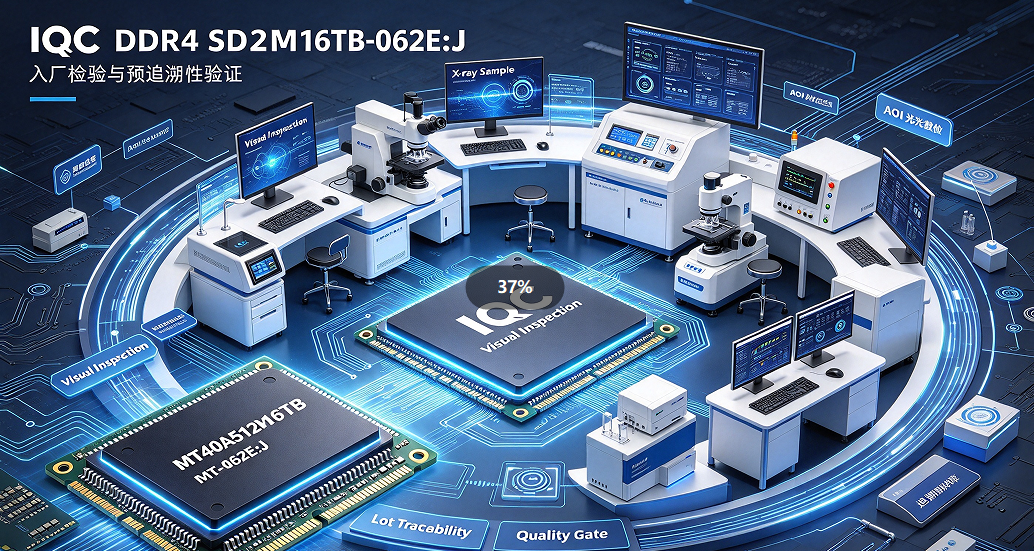
| Inventory with older date codes, with unclear history | Review batch code, dry packaging/MSL status, and bake records; establish risk-based inspection rules |
| Maximum speed is indicated as a guarantee of throughput | Treat according to the laboratory's highest value; set reasonable expectations together with the engineering department |
| Intermediary inventory lacks traceability | Strictly enforce supplier qualification requirements, label photos and batch documents, and implement risk-based inspections |
Real-life case
Notes: The following data are only examples for bill-of-materials continuity planning; please verify them against your own project data.
Case — Ongoing support for legacy human-machine interfaces:An HMI manufacturer at a factory extended the product lifespan by 3 years by sourcing original MPN batches of MT40A512M16TB-062E:J. With a quarterly production plan of 10,000 units, the first-inspection batch (n=150) achieved a first-pass yield of 99.6%, and by maintaining the previously validated BOM, they avoided the need for a full re-certification that would have taken an estimated 6 to 8 engineering weeks.
Frequently Asked Questions (FAQ)
Q1: What density and organization does MT40A512M16TB-062E:J offer?A1: 8 Gb DDR4 SDRAM, organized as 512M×16; the host controller must map 16-bit channels to utilize the full capacity.
Q2: What data rates does it support?A2: Under manufacturer laboratory conditions, it can reach up to DDR4-3200 (clock frequency of 1600 MHz).
Q3: Can DDR4-3200 guarantee actual bandwidth?A3: No—this is only the maximum value achieved in the lab; actual performance depends on the host controller, PCB signal integrity, and firmware.
Q4: Can other 8Gb DDR4 modules be used as direct replacements?A4: No. Differences in pin layout, timing, and power-up sequence may cause verified platforms to malfunction; full certification is required.
Q5: Has it passed automotive-grade AEC-Q100 certification?A5: Commercial grade does not imply automotive-grade certification; if you need it for automotive applications, please request official documentation.
Q6: What information should be included in a quotation request for this device?A6: Complete part number and suffix, quantity, delivery date, destination, date code range, packaging method, traceability, inspection rules, and whether substitutes are permitted.
Q7: What are its main applications?A7: Suitable for industrial controllers, human-machine interfaces, gateways, and commercial instruments that use a frozen bill of materials; not suitable for new designs.
Summary and Call to Action
MT40A512M16TB-062E:J is best suited for embedded continuous supply projects requiring 8Gb commercial DDR4-3200 in a 96-ball FBGA package. Please send your target quantity, delivery schedule, end application, date code restrictions, and inspection requirements to our sales team. Before placing a purchase order, please confirm the availability of the specific model, batch traceability, packaging method, and formal delivery terms.