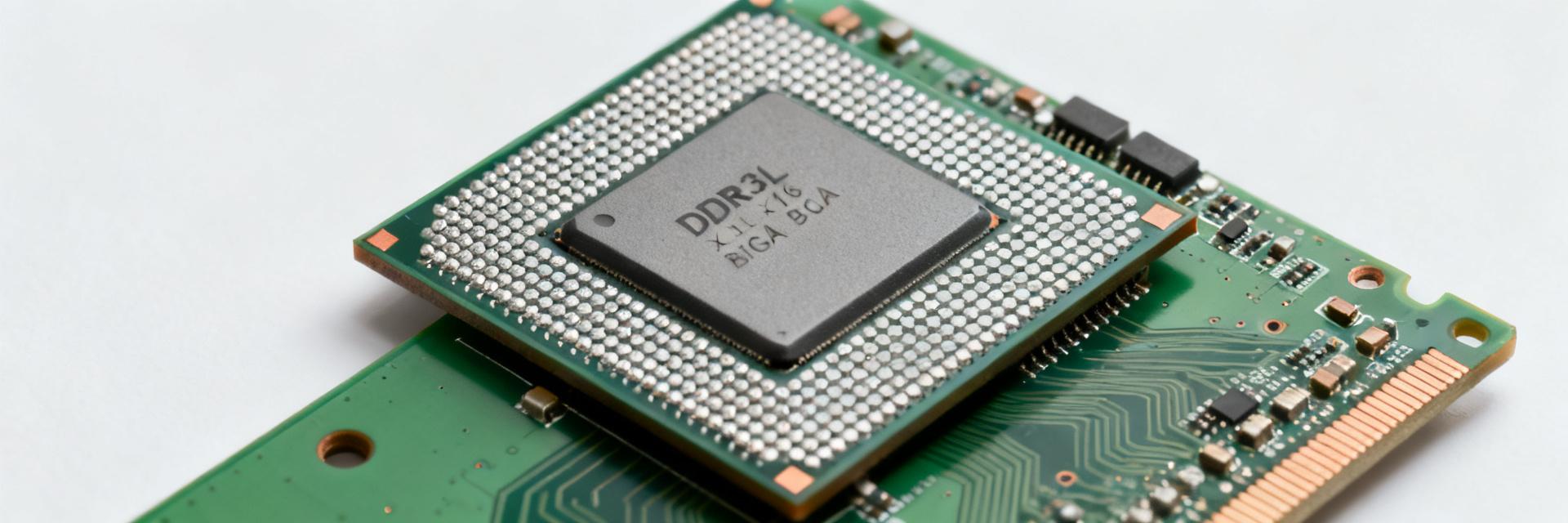
MTFC32GAKAEJP-AIT eMMC 32GB: Specs, Stock & Quick Notes
Point: The MTFC32GAKAEJP-AIT is a 256 Gbit (32 GB) embedded multimedia card commonly used where cost and form-factor matter. Evidence: Manufacturer datasheet lists 256 Gbit organized to present ~32 GB of host-visible capacity. Explanation: For engineers and buyers, this one-line identity clarifies core suitability—consumer and industrial embedded designs needing moderate onboard storage.
Point: This note’s one-line takeaway is focused on part identity, core suitability, and sourcing status. Evidence: Capacity, BGA-mounted packaging, and standard eMMC interface are documented in the official datasheet and part page. Explanation: Readers should use the datasheet as the authoritative source for numeric claims and treat this summary as a rapid procurement and integration checklist. The term eMMC 32GB appears here to align capacity expectations.
Product overview & quick takeaways (background introduction)

One-line summary for busy readers
- Part code: MTFC32GAKAEJP-AIT — 256 Gbit nominal NAND, presented as 32 GB host capacity; small BGA/VFBGA package for embedded boards.
- Target applications: embedded boot media, consumer multimedia storage, and some industrial applications where cost and moderate endurance suffice.
- Core suitability: compact eMMC with standard MMC/eMMC host interface; verify package and temperature grade before final BOM freeze.
What this article covers and who it's for
Point: Scope targets engineers, procurement, and integrators with concise, actionable detail. Evidence: Sections include specs, stock/sourcing guidance, integration tips, and a buyer checklist based on datasheet-derived numeric limits.
Explanation: Recommended reading order — engineers focus on Technical specs and Performance sections first; procurement should read Stock, sourcing & part variants and the Procurement checklist; integrators can use Integration tips and Quick fixes.
Technical specs — deep dive (data analysis)
Memory organization & capacity details
Point: The device presents 256 Gbit arranged as multiple NAND die and LUNs with an x8 host bus mapping. Evidence: Datasheet specifies total bits (256 Gbit → 32 GB) and the NAND technology node/type used for that family. Explanation: Mapping to host-visible capacity includes reserved blocks and ECC overhead; confirm the datasheet’s logical capacity and any usable partitioning details before filesystem layout.
Electrical, interface & package specifics
Point: Key electrical and package specs drive board-level decisions. Evidence: Official specs list core/supply voltages, I/O voltage ranges, supported eMMC/JEDEC protocol version, and package identifier (VFBGA with specified ball count). Explanation: Use the datasheet land-pattern and decoupling recommendations to design a reliable BGA footprint and ensure signal integrity for high-speed eMMC modes.
| Spec | Typical Value (per datasheet) |
|---|---|
| Density | 256 Gbit (32 GB) |
| Interface | eMMC (JEDEC standard; check datasheet for version) |
| Package | VFBGA (specified ball count per datasheet) |
| Supply | Core and I/O voltages as listed on official spec sheet |
Performance, endurance & operating conditions (data-driven analysis)
Performance metrics & typical workloads
Point: Performance depends on eMMC version and internal NAND parallelism. Evidence: Datasheet or vendor notes provide sequential and random read/write expectations and maximum interface throughput tied to the device’s eMMC mode. Explanation: For boot images and application storage, prioritize read latency and small random reads; for media capture, focus on sustained sequential write figures and test under target workload.
Endurance, retention & environmental limits
Point: Endurance class and temperature range determine lifecycle suitability. Evidence: Datasheet lists Program/Erase (P/E) cycle ratings, data retention, and commercial/industrial operating/storage temperature ranges. Explanation: Match endurance to expected write volumes, factor retention into warranty terms, and select temperature grade per deployment environment to avoid early field failures.
Stock, sourcing & part variants (case / procurement)
Availability, lead times & common lead indicators
Point: Availability can vary and suffixes indicate revisions or packaging variations. Evidence: Authorized source feeds and the official part page show stock snapshots and revision suffix meanings (for example, suffixes indicating tape-and-reel, temp grade, or internal revision). Explanation: Verify live stock and lead-time directly with authorized channels and the official part page before committing to a purchase to avoid obsolescence or unexpected revisions.
Identifying variants & cross-references
Point: Variants may differ by density, temperature grade, or package. Evidence: Datasheet families list alternate part codes and package options; suffixes often encode these differences. Explanation: Use this short checklist to confirm SKU compatibility: matching density and host-visible capacity, identical package and ball map, same temperature grade, and identical electrical/spec parameters as per the official datasheet.
Quick engineer notes & buyer checklist (actionable guidance)
Integration tips & common pitfalls
Point: Practical PCB and host integration choices reduce field issues. Evidence: Datasheet-driven guidance includes BGA escape, mandatory decoupling, power sequencing, and eMMC boot partition handling. Explanation: Common boot failures stem from incorrect power sequencing or misconfigured boot partitions—verify VCC/VCCQ ramps, host controller HS mode settings, and ensure reliable BGA soldering and thermal relief on the board layout.
Procurement checklist & final decision criteria
Point: Procurement should validate exact part identity before purchase. Evidence: Checklist items derive from datasheet and sourcing best practices and include electrical limits, endurance class, package compatibility, and traceability. Explanation: Confirm MTFC32GAKAEJP-AIT part number and revision, request datasheet confirmation, validate endurance and temperature grade, ensure package pinout match, and confirm traceability/certification from the supplier before placing orders.
Summary
Point: The MTFC32GAKAEJP-AIT is a 256 Gbit (32 GB) eMMC option suitable for embedded and cost-sensitive consumer/industrial designs. Evidence: Manufacturer documentation defines capacity, package, and electrical limits that drive integration and procurement choices. Explanation: Three immediate actions — verify specs against the official datasheet, confirm supplier traceability and lead time, and run a short integration test on your reference board.
Key summary
- ✓ Verify MTFC32GAKAEJP-AIT capacity and mapping: confirm 256 Gbit nominal equals ~32 GB host-visible and review reserved/ECC overhead in the official specs before partitioning (use the datasheet).
- ✓ Confirm package and thermal limits: ensure the VFBGA ball map and temperature grade match your PCB and environmental requirements to avoid re-spins and field failures.
- ✓ Sourcing due diligence: check authorized-source stock, revision suffixes, and request traceability; align lead time with project schedule to mitigate obsolescence risk.
Common Questions
What are the MTFC32GAKAEJP-AIT specs for capacity and package?
Answer: The MTFC32GAKAEJP-AIT presents 256 Gbit of NAND organized to report approximately 32 GB of host-accessible storage; package details and exact ball count are listed in the official datasheet. Always confirm the land-pattern and mechanical drawing from the manufacturer before PCB layout.
How does MTFC32GAKAEJP-AIT endurance affect product lifecycle?
Answer: Endurance (P/E cycles) and data retention metrics in the datasheet determine usable lifespan under write-heavy workloads. For firmware-heavy devices or frequent logging, select higher endurance parts or implement wear-leveling and quota limits; validate with workload-specific endurance testing to project lifecycle.
Where can I confirm MTFC32GAKAEJP-AIT availability and authenticity?
Answer: Check the official part page and manufacturer’s datasheet for authoritative specs and then verify stock and traceability through authorized channels. Request certificates of conformance and lot traceability from suppliers and confirm that any offered SKU exactly matches the datasheet’s part, package, and revision details.